
Common mistakes when making candles
The four most common candle making mistakes — frosting, tunnelling, flashpoint and hot throw — with specific causes and how to fix each one.
CANDELISS
A practical starting point for candle making: materials, tools, testing and the decisions that turn an idea into a repeatable candle.
Candle making gets much easier when you understand the basic materials and tools before you start buying at random. This page is the practical entry point for building a simple home setup or a more repeatable workflow.
Wax defines how the candle burns, how it looks and what kind of final product you can expect.
The wick affects burn stability, flame size and overall performance. It is one of the most important technical choices in the whole process.
Molds matter when you want to make freestanding candles, shaped candles or more decorative formats.
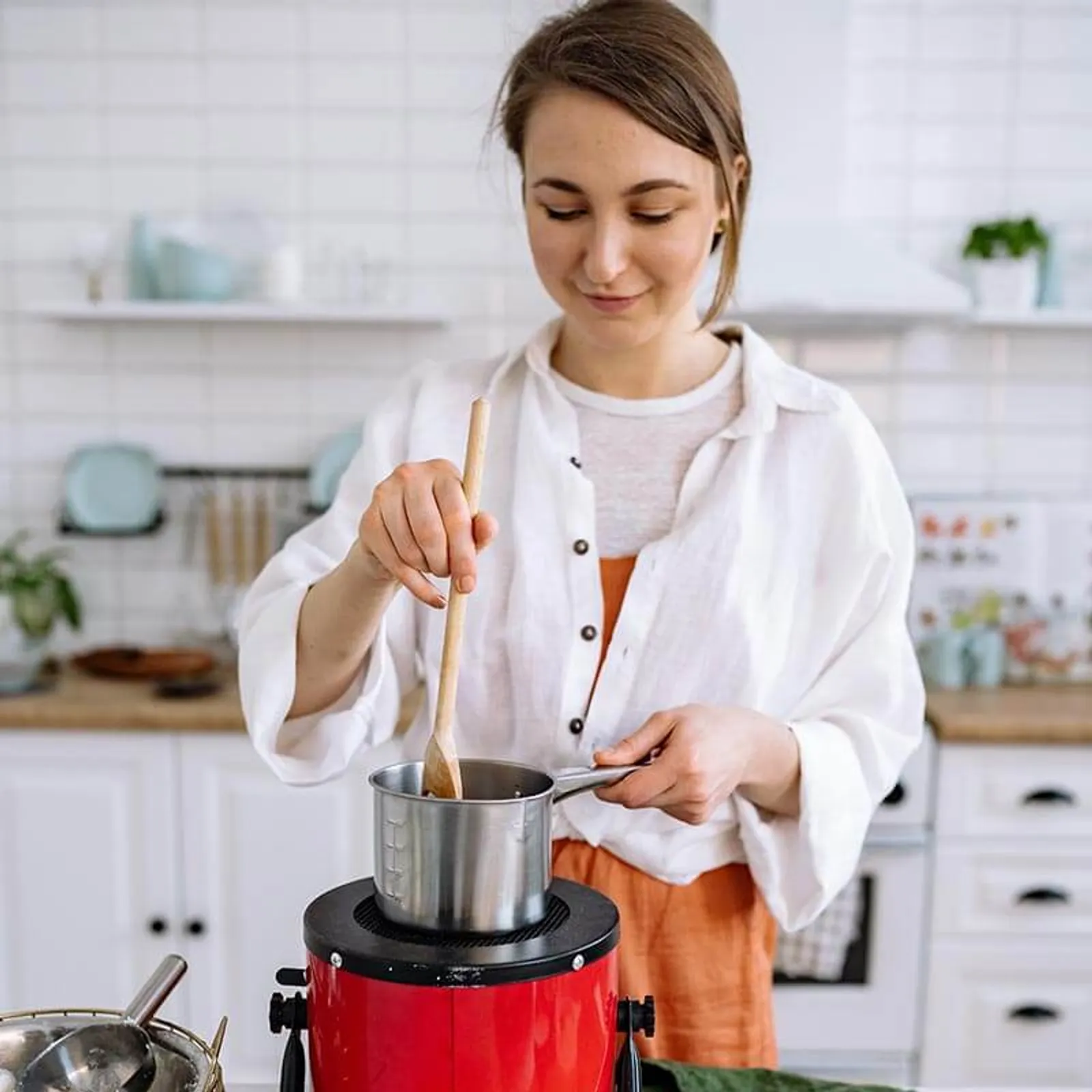
A wax melter becomes useful when you want more control, better repeatability and a smoother production rhythm.
Even accessories matter. A candle snuffer helps extinguish candles more cleanly and safely.
If you are starting from zero, this sequence usually works best:
If your goal is not to make candles from scratch but to use a flexible decorative format, pearled candles are the simpler route.
If your use case is commercial and you want to discuss supply, collaborations or professional needs, go directly to business.
FURTHER READING
Use these articles after the page has helped you choose the material, format or next test.
The four most common candle making mistakes — frosting, tunnelling, flashpoint and hot throw — with specific causes and how to fix each one.
Full tutorial for making floating candles: moulds, step-by-step process, decorating with flowers and safety. A practical guide with every detail.
Complete tutorial for making tea light candles at home. Materials, step-by-step process and personalisation. No special equipment or experience needed.
Pearled candles, waxes and supplies for makers who want clear formats, practical materials and better repeatability.