Soy wax for candle making
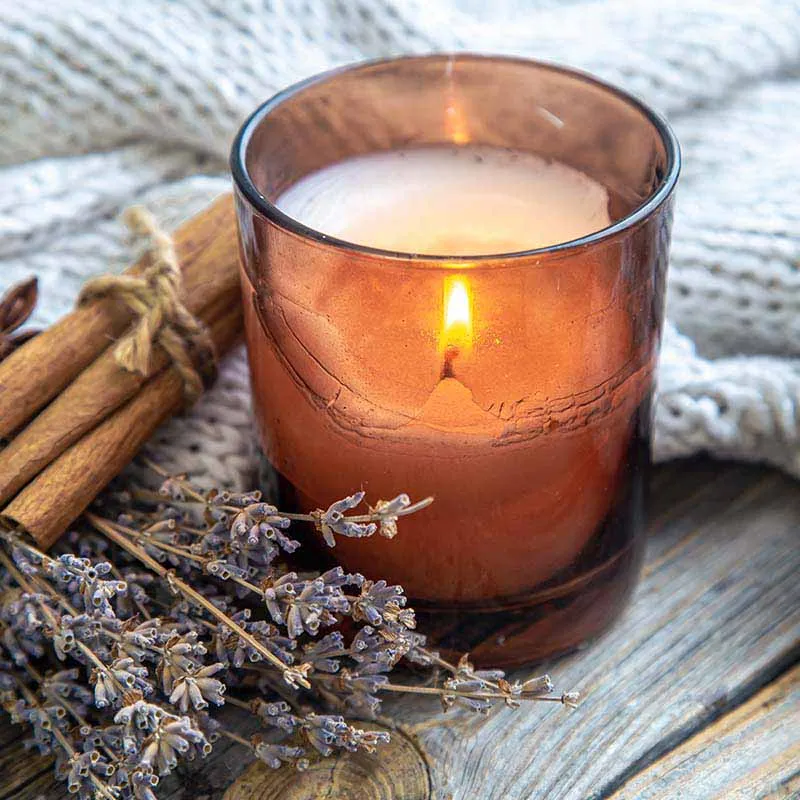
Soy wax for candle making is a practical guide to soy wax as a candle-making material. Soy wax is a plant-based wax, and that material fact is commercially useful when the project needs a vegetable-wax profile, container-friendly handling and a formula that can be tested and repeated.
Material context
Soy wax is usually chosen for container candles, softer finishes and accessible small-batch making. Its behavior depends on blend, supplier specification, fragrance percentage, dye, vessel diameter, cooling conditions and wick choice. Use that material story positively, then confirm the blend, supplier sheet, vessel, wick and burn test before scaling the formula.
Practical advantages
Soy wax can be useful for container candles, small batches and softer visual finishes. It is also a plant-based option for projects where material choice matters; wider environmental positioning depends on sourcing, transport, formulation, packaging and the way the final candle is used.
Where it fits
Use it when the desired candle is a container format with a controlled wick and tested fragrance load. For molded candles, check whether the blend has enough structure for demolding.
Process and testing
Work from the supplier sheet, make small test batches and record every variable. Compare surface, adhesion, fragrance behavior, flame size, melt pool and cooling marks before repeating a formula.
Candeliss path
For the material page, continue with soy wax and candle wax. For process basics, use candle making. For flame behavior, compare with candle wicks.
For workshops, stores or repeat production, review business.