Essential oils for candles
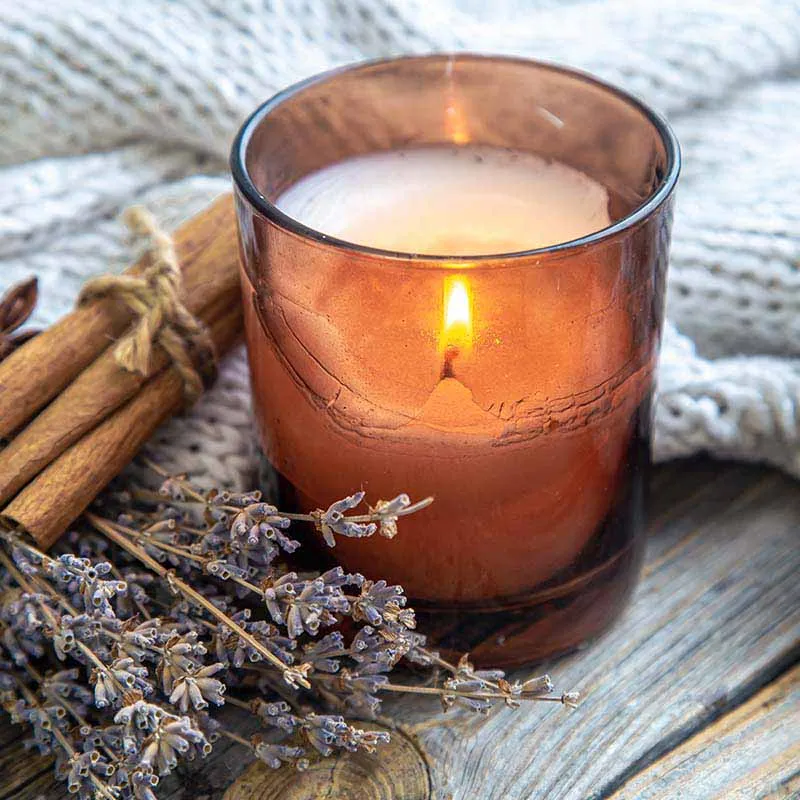
Essential oils for candles is a practical guide for candle making. Treat the ingredient as one variable inside a complete system: wax, wick, container or mold, temperature, dosage, supplier instructions and repeatable testing.
Context
Fragrance affects scent throw, wick behaviour and how the finished candle is perceived. Choose it as a technical input, not as a personal outcome promise. Check wax compatibility, recommended load, temperature guidance and supplier restrictions before scaling a batch.
Selection criteria
Compare essential oils, fragrance oils and aroma blends by documentation, heat behaviour, solubility, scent strength and intended candle use. A stronger scent is not automatically better; too much fragrance can affect burn quality, surface finish or wick stability.
Selection criteria
Essential oils can work in candles, but they are volatile and not every oil performs well in hot wax. Treat them as aromatic ingredients that need testing. If scent strength, stability or repeatability matters, compare them with candle fragrance oils.
Testing and workflow
Test in small batches before repeating a formula. Record wax type, temperature, dosage, wick size, container or mold, curing time and result. Change only one variable at a time.
Internal path
Continue with candle making, candle wax and pearled candles. For workshops, retail or repeated production, see business.