How to Make Container Candles with Rapeseed Wax
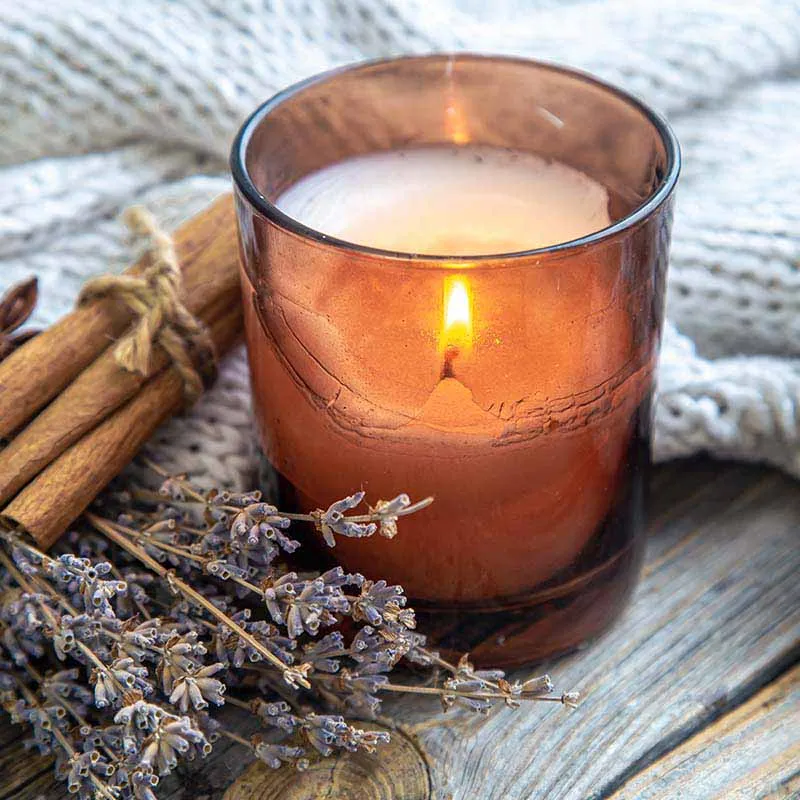
How to Make Container Candles with Rapeseed Wax is a Candeliss guide to rapeseed wax as a plant-based candle-making material. It is useful when a project needs a vegetable-wax route that can be tested for container candles, workshops or small repeatable batches.
Material value
Rapeseed wax gives makers another plant-based option beyond soy. Its useful value is specific: it can support a clear material brief, but the final candle still depends on blend, supplier documentation, wick choice, vessel or mold, fragrance load, temperature and cooling.
Container use
For container candles, compare adhesion, melt pool, wick response and surface finish. A plant-based material story works only when the tested vessel and wick make the candle easy to repeat.
What to test
Start with small batches. Record wax temperature, fragrance percentage, wick size, vessel or mold dimensions, cooling conditions and burn-test notes. Avoid broad environmental promises; use the factual material claim and prove the workflow.
Candeliss path
Compare rapeseed wax with the candle wax hub. For process decisions, use candle making and candle wicks. For stores, workshops or repeat production, review business.