Pearled Candles as an Original Gift
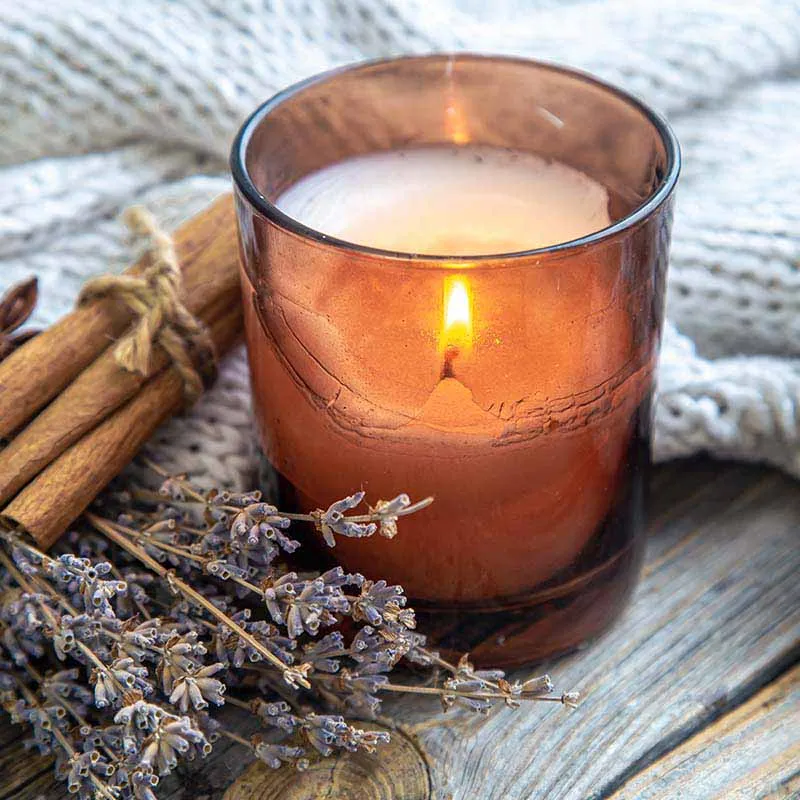
Pearled candles are the gift that surprises because the recipient builds it. Unlike a finished candle, whoever receives the pearled-candle kit takes part in creating their own decorative piece — choosing colours, combining scents, and deciding on the final container.
This active participation turns a static gift into an experience. The result isn't just a candle: it's a candle the person made with their own hands, which increases both the sentimental value and the likelihood that they'll keep it rather than burn it straight away.
Why Pearled Candles Work as a Gift
A pearled candle is technically different from other types of candle. It's built with wax pearls that partially melt with the heat of the wick, staying solid long enough to create a stable structure but letting the light pass through the gaps between them.
The building process is what makes the gift appealing. Whoever receives the kit has to pour the pearls into the container, centre the wick, and decide whether to mix colours or keep them in separate layers. It's simple enough not to need previous experience, but active enough to feel like a small creative project.
Most candle kits require controlled temperatures, thermometers, and precise timing. Pearled candles remove these technical complications: the pearls are poured directly, with no prior melting or temperature calculations.
Occasions Where a Pearled Candle Is the Right Gift
Birthdays for People Who Enjoy Hands-On Projects
A pearled candle works especially well for the birthdays of people who collect experiences rather than objects. The value isn't in the finished candle — which can be obtained faster and probably more perfect in any shop — but in the hour or two spent building it.
It's suitable for ages from adolescence to older adults. Young children would need supervision because of the wick and the glass container, but from the age of 12-14 they can handle the project independently.
Weddings and Anniversaries
For weddings, pearled candles work better as a couple's gift than an individual one. Two people can work together on the same candle — one choosing colours, the other distributing pearls — or build a set of coordinated candles using the same colour palette.
The building moment becomes a shared activity. It's particularly suitable for newlyweds who are establishing joint traditions or decorating their first shared home.
Housewarmings
A pearled candle as a housewarming gift has practical advantages: the person can choose colours that coordinate exactly with their new decor. Traditional decorative gifts require the giver to guess the recipient's tastes and colour scheme.
With a pearled candle, you hand over the potential for perfect coordination. The person adjusts colours and container size to their specific space.
Christmas and Seasonal Gifts
During the Christmas season, pearled candles allow immediate customisation for seasonal decor. Red and green pearls for Christmas, oranges and browns for autumn, pastels for spring.
Building the candle can become a family Christmas activity — especially useful for families looking for traditions that don't involve screens or passive consumption.
How to Present a Pearled Candle as a Gift
The Complete Kit
A pearled-candle gift kit should include all the necessary elements: wax pearls in 2-3 coordinated colours, a pre-tabbed wick, stearic acid to stabilise the pearls, and a suitable glass container.
Stearic acid is the technical component that distinguishes a professional kit from an improvised set of materials. Without stearic acid, the pearls can melt completely during use, turning the pearled candle into a conventional melted candle. With stearic acid, they keep their structure while they burn.
Packaging That Explains the Process
The packaging should include visual instructions for the building process — not just a list of materials. Many people have never seen a pearled candle being built and need to understand what they're going to create before opening the materials.
A card with step-by-step photos of the process — pouring the pearls, placing the wick, the final result — removes the uncertainty that can create resistance to the project.
Presentation in a Box vs Loose Materials
Loose materials in a bag give the impression of industrial components, not a gift. A box with separate compartments for each colour of pearls, a specific space for the wick, and the glass container protected communicates that it's a designed product, not an assembled one.
The box should be reusable. Many people keep boxes from creative projects to organise materials for future ones.
Pearled Candles vs Other Types of Candle Gift
Pearled-Candle Kit vs Finished Candle
A finished candle is immediate consumption: you light it, it burns, it disappears. A pearled candle built by the recipient has added sentimental value — it's less likely to be burned completely because the person invested time in creating it.
The building process also generates knowledge. After making a pearled candle, the person understands how they work, what materials they require, and can repeat the process with their own materials.
Pearled Candle vs Conventional Candle Kit
Conventional candle kits require handling hot wax, specific temperatures, and precise timing to avoid bubbles or uneven surfaces. The margin for error is narrow — the wrong temperature ruins the project.
Pearled candles remove these technical variables. There's no temperature to control, no critical timing, no hot wax that can cause accidents. The worst possible result is a colour distribution that didn't turn out as expected — an aesthetic problem, not a technical one.
Comparison of the Gift's Durability
A finished candle lasts until it's consumed — typically 20-40 hours depending on the size. A pearled candle can be kept as a decorative object indefinitely, lit occasionally for special events.
Building the pearled candle also teaches the process, turning a one-off gift into a transferable skill. The person can make additional pearled candles for their own decor or as gifts for others.
Colour and Scent Customisation
Choosing Colours for Specific Occasions
The colours of the pearls determine both the initial visual impact and the integration with the existing decor. For gifts, it's safer to choose neutral palettes (whites, creams, soft greys) than specific colours that might not coordinate with the recipient's space.
Alternatively, if you know the person's colour scheme, you can create an exact palette: pearls in two tones of the same colour (for example, light blue and navy) create visual depth without the risk of a colour clash.
Optional Scenting
Wax pearls can be scented before assembly, but this requires specific essential oils that don't damage the structure of the wax. Not all oils are compatible — some can make the pearls turn sticky or lose their shape.
For gifts, it's safer to give unscented pearls and let the recipient decide whether they want to add fragrance and which one. This avoids the risk of choosing a scent that isn't to the person's taste.
Container Size and Quantity of Pearls
The container determines the final size of the pearled candle. Wide, low containers create table candles; tall, narrow containers create lantern-style decorative candles.
The quantity of pearls should be calculated to fill the chosen container with a safety margin. It's better to include extra pearls than to come up short — the spare pearls can be used for future repairs or additional projects.
Practical Considerations for the Recipient
Space and Tools Needed
Building a pearled candle requires a flat surface, good lighting, and approximately 30-45 minutes of focused time. It doesn't require special tools, but it does need a space where it can be worked on without interruptions.
It's important to communicate these requirements in the packaging so the person can plan when to build the candle. A project started without proper preparation can turn out frustrating.
Clear Instructions vs Personal Creativity
The instructions should cover the technical aspects — how to centre the wick, how much stearic acid to use, how to distribute the pearls for stability — but leave room for personal aesthetic decisions.
Too many specific instructions turn the project into a mechanical task. Too few instructions create uncertainty that can paralyse the creativity.
What to Do If Something Goes Wrong
Pearled candles have few failure points, but it's useful to include solutions for the most common problems: an off-centre wick (it can be recentred by moving pearls), colours that didn't turn out as expected (they can be redistributed), or pearls that melted too much (new pearls can be added).
Most "mistakes" in pearled candles are recoverable without redoing the whole project.
FAQ
Are pearled candles harder to make than normal candles? No, they're easier. Conventional candles require heating wax, controlling temperature and pouring with precise timing. Pearled candles are built with cold pearls poured directly into the container — there's no hot wax and no temperatures to control.
How long does it take to make a pearled candle as a gift? Between 30 and 45 minutes for a medium-sized candle. The process includes placing the wick, distributing the pearls by colour, adding stearic acid, and adjusting the final distribution. There's no drying time — the candle is ready to use immediately.
What if the person has never made candles before? Pearled candles are the best starting point for beginners because they remove the complicated technical variables. There's no risk of burning yourself with hot wax, no temperatures to calculate, and mistakes are easy to correct by moving the pearls.
Do pearled candles last as long as normal candles? It depends on how they're used. If lit regularly, they last between 15-25 hours like conventional candles. But many people keep them as decoration, lighting them only occasionally, which makes them last months or years.
Can pearled candles be made without a kit, buying materials separately? Yes, but you need wax pearls specifically for pearled candles, not just any type of wax. You also need stearic acid so the pearls keep their structure during burning. Individual materials usually cost more than a complete kit and require more technical knowledge to calculate proportions.
What ages are they suitable for as a gift? From adolescence to older adults. Children under 12 would need supervision for handling the wick and glass containers. From that age they can do the project independently following the kit's instructions.