Vegan materials for candles
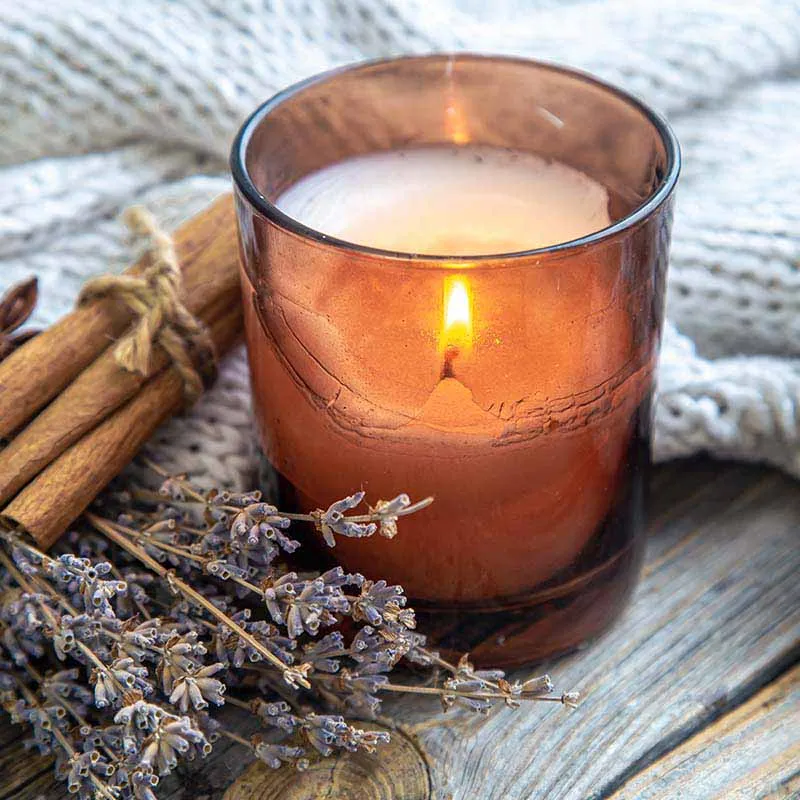
Vegan materials for candles aren't validated by a word on the label. They're validated by checking the origin of each component: base wax, stearic acid, wick, fragrance, colourant and any additive that goes into the formula.
This topic can be useful for makers, shops and small brands, but it demands precision. Candeliss shouldn't turn a buying intention into an absolute promise. The right way to work is practical: ask the supplier for information, read technical sheets and declare only what you can stand behind.
What Vegan Means in a Candle
In a candle, vegan means the materials don't come from animal sources. Beeswax is out by definition. Soy wax, rapeseed wax, coconut wax and many plant blends can fit, as long as the rest of the components follow suit.
The easiest point to overlook is stearic acid. It can be plant or animal in origin, and the chemical name alone isn't enough to tell. If the supplier doesn't specify the origin, ask before using it as a selling point.
Components Worth Checking
The base wax is only the first step. Also check:
- Stearic acid: confirm whether it comes from a plant source when the project requires it.
- Wicks: check the composition, any pre-waxing and treatments.
- Fragrances: review the supplier's documentation and intended use in candles.
- Colourants: confirm compatibility with the wax and temperature.
- Packaging and accessories: separate vegan material from other criteria such as recyclability, reuse or sourcing.
A candle can be plant-based in the wax and still not meet the full vegan criterion if another ingredient isn't documented.
Sustainability Without Empty Promises
Environmental language needs caution. Saying a material is plant-based doesn't on its own prove the whole product is sustainable. Cultivation, transport, blending, packaging, durability, use of the container and the product's end of life all play a part.
That's why it's worth using verifiable language: "plant-based wax", "reusable container", "cotton wick", "supplier with documentation available". Avoid broad promises not backed by concrete data.
How to Use This Information in a Candle Business
If you sell candles, prepare an internal materials sheet per product. Include supplier, batch, declared origin, documentation received, percentage used and test observations. This helps you respond better to customers, shops or collaborators without improvising claims.
If you buy for a workshop, event or shop, ask the supplier for a simple explanation of what materials they use and what documentation they can share. Trust is built with clarity, not big words.
The Candeliss Route
To compare bases, start with candle wax, soy wax and rapeseed wax. For an almost-ready, refillable format, look at pearled candles. For professional purchasing, continue to business.