Which candles last longer: burn time by type and material
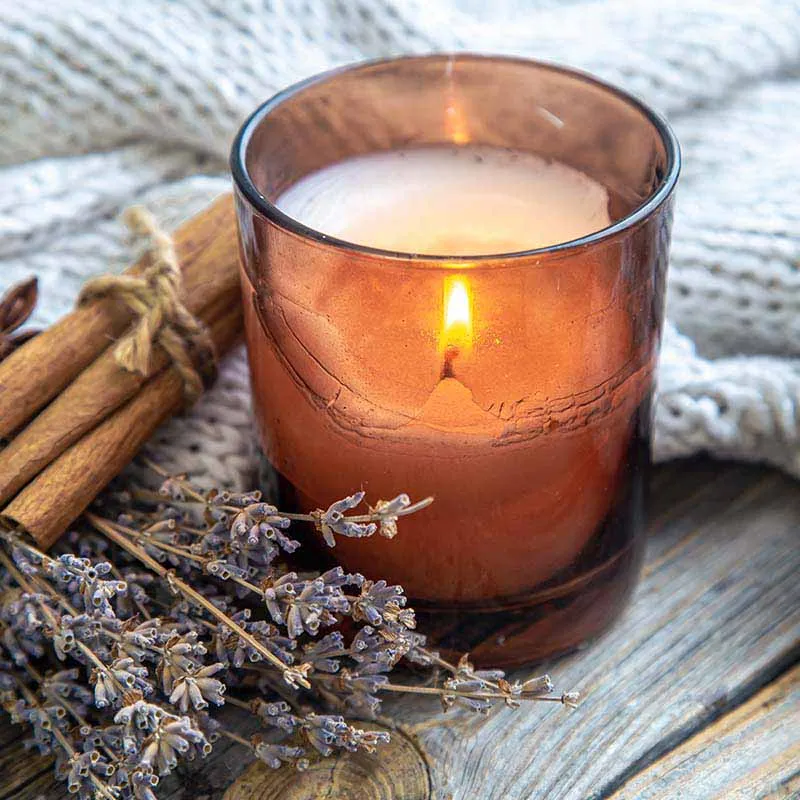
Beeswax candles and soy wax container candles usually last longer than paraffin candles of the same size. But the type of wax explains only part of the difference: the wick size, the candle's diameter and how it's used in each burn weigh just as much, or more. A badly used soy candle lasts less than a well-cared-for paraffin one.
What Determines How Long a Candle Lasts
A candle's burn time isn't a fixed property of the material — it's the result of four factors interacting. The type of wax matters, but it's one of four, not the only one.
The first is the density of the wax. Harder, denser waxes — beeswax, high-quality paraffins — burn down more slowly because they need more heat to keep the liquid wax pool active. Softer waxes, like low-melting-point soy, can burn faster in high ambient heat.
The second factor is the candle's diameter. An 8cm-diameter pillar will burn many more hours than a 4cm one, even if both are the same material. The greater mass of wax takes longer to consume, and the ratio between pool size and flame height is more favourable. What most buyers discover is that two candles at the same price have radically different burn times depending on this factor — and it's the one that least appears on the label.
The third is the wick size. A wick oversized for the container's diameter produces a tall flame, burns more wax per hour and shortens the candle's life. A correctly calibrated wick keeps a clean pool and efficient consumption. The maker can control this; the buyer of finished candles doesn't always know until they light the first one.
The fourth is use. A candle that never reaches a full pool on its first burn develops wick memory — a central tunnel that stops the side wax from melting in later burns. That side material is left unused. The candle's real burn time drops, even though the initial weight is the same. Someone buys two identical candles: one they light for forty minutes the first time, the other they let burn for two hours to the edge. After four weeks, the first looks new on the outside but has half its remaining life left. The material that didn't melt in that first burn is never going to melt.
Burn-Time Comparison by Wax Type
With those four factors clear, comparing materials makes more sense: it reflects their behaviour under correct use, not each one's worst case.
The table below gives indicative burn-time ranges for the most common waxes in standard-sized container candles (200-300g jar). The variations within each type are wide — wick size and use conditions can push the result outside the range. These are reference points, not guarantees.
| Wax type | Estimated burn time (200-300g) | Relevant characteristics |
|---|---|---|
| Beeswax | High (top of the range for this format) | Dense, clean burn, high price |
| Soy wax | Medium-high | Clean burn, frosting common in pure soy, good adhesion |
| Soy + paraffin blends | Medium | Balance of cost, adhesion and burn time |
| High-quality paraffin | Medium | Intense hot throw, more affordable |
| Rapeseed wax | Medium-high | Good adhesion, less frosting, European origin |
| Standard paraffin | Medium-low | Higher risk of uneven burning if the wick isn't calibrated |
Beeswax appears at the high-burn-time end, but the most relevant figure for someone buying a candle for everyday use isn't the material: it's the ratio between the total weight of wax and the price. A well-made paraffin candle can last comparably to a lower-quality soy one, regardless of the marketing narrative around each material.
How to Care for the Candle So It Lasts as Long as It Should
The type of wax sets the ceiling. Use habits determine whether you reach that ceiling or fall short of it.
The difference between a candle that lasts as promised and one that runs out early comes from three habits most people don't apply until it's too late.
The first burn is the most important. A container candle needs to burn until the liquid wax pool reaches the edge of the container. If it's put out before that, next time the pool will only reach as far as the first one did. That unmelted area — the 'halo' of white wax around the wick — is never recovered. The candle becomes a tube burning downward while the side material stays intact and useless.
The second habit is trimming the wick. Before each burn, the wick should be between 5 and 8mm long. A longer wick produces a taller flame, burns more wax per hour, generates more soot and can overheat the jar. The difference between a candle that lasts well and one that burns out in a few sessions often comes down to this detail.
The environment counts too. Draughts — open windows, fans nearby, frequent passing by the candle — make the flame move, burn unevenly and accelerate wick wear. A candle placed on a stable surface, away from draughts, burns cleaner and lasts longer. What the attentive maker or user notices is that the same candle, in the same spot, lasts noticeably longer when the environment is controlled.
Frequently Asked Questions
Do soy candles last longer than paraffin ones? Under equal conditions, soy candles usually last a little longer than paraffin ones of the same weight, because soy has a slightly lower melting point and the pool stays active with less heat. However, the real difference depends a lot on the wick calibration and the container diameter. With a badly calibrated wick, a soy candle can last less than a well-made paraffin one.
How long does a 200-gram candle last? It depends on the type of wax, the container diameter and the wick size — there's no fixed figure that applies to every case. As a rough reference, a well-made, well-used 200-250g soy container candle can last between 30 and 50 hours, but this range can vary significantly. Always check the manufacturer's guidance and do a full first burn to the pool.
Why does my candle run out sooner than expected? The most common causes are three: not completing the pool on the first burn (the candle develops memory and the side material never melts), a wick that's too long (more consumption per hour), and draughts that make the flame burn unevenly. Check these three points before concluding the candle is poor quality.
Which type of candle lasts longest for everyday use? For regular home use, soy or soy-paraffin blend container candles offer a good balance of burn time, clean burning and price. Beeswax candles last longer but are noticeably more expensive. The most important thing isn't the material but the build quality: a wick well calibrated for the container's diameter makes more difference than the type of wax.
If you want to make candles that perform well and last as they should, Candeliss soy wax in pastilles is available in maker and hobbyist formats. → See soy wax at candeliss.com →